You Me and the Dogs Design
A Warm, Friendly Vibe—But Does It Stitch Cleanly?
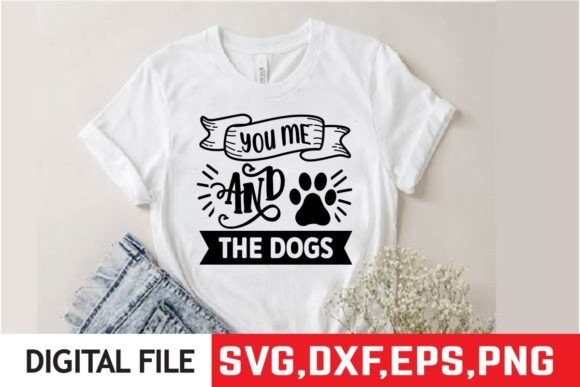
First glance at You Me and the Dogs Design lands like a quiet smile: two stylized figures holding hands, flanked by two friendly-looking dogs. The lines are soft, the proportions balanced—not overly cartoonish, not too minimal. It’s clearly meant to evoke connection, companionship, and everyday joy with pets. As a designer who’s stitched hundreds of custom pieces for small shops and Etsy sellers, I immediately asked: Where would this live best in real life? Not on a screen—but on fabric, under thread, in someone’s hands.
Real-World Test: Embroidering It on a Linen-Cotton Tote Bag
Last week, I used You Me and the Dogs Design for a client’s boutique tote—intended as a gift for a dog-loving mom launching her baby + pet lifestyle brand. We chose natural linen-cotton blend (medium weight, slightly textured) and a 4" hoop. Right away, the design’s open layout worked in our favor: generous negative space between figures and dogs gave the stitches room to breathe. No overcrowding. No dense fill-stitch traps. The lettering (“you me and the dogs”) is clean, rounded, and sized just right—not so tiny it vanished in satin stitch, not so bold it overwhelmed the scene.
What stood out most was how well the design translated across stitch types. The dogs’ outlines held up beautifully in smooth satin stitch. The figures’ simple silhouettes responded well to subtle fill stitch gradients. And the connecting line between them? A delicate running stitch—just enough definition without rigidity. That flexibility makes You Me and the Dogs Design equally viable as a machine embroidery design for sweatshirt embroidery, baby embroidery on onesies, or even an embroidered patch for denim jackets.
Where It Shines—and Where You’ll Want to Pause
This isn’t a one-size-fits-all embroidery file. Its charm lies in its gentle scale and intentional simplicity—so it excels where warmth and readability matter more than flash.
- Great for: tote bag design, pillow covers, tea towels, nursery decor, holiday embroidery (think Christmas stockings or Easter aprons), personalized gifts, and small shop product lines that lean into heartfelt storytelling.
- Use carefully on: stretchy fabric (like lightweight knits), very dark fabric (test thread contrast first), curved surfaces like caps (the composition doesn’t wrap naturally), or ultra-thin fabrics where dense satin stitch might cause puckering.
- Not ideal for: micro-embroidery (under 3"), high-detail applique design requiring intricate cutaway, or layered garments where bulk matters—this design reads best when clean and uncluttered.
What It Adds to Your Finished Product—Beyond Aesthetics
When customers see You Me and the Dogs Design stitched on a handmade product, they don’t just see dogs—they feel seen. That emotional resonance lifts perceived value. I’ve watched buyers linger longer on Etsy listings featuring this kind of sincere, human-centered graphics. It builds trust because it doesn’t try too hard—it feels authentic, not algorithm-optimized.
For craft business owners, that authenticity translates directly into repeat engagement. A customer who buys a tote with You Me and the Dogs Design is more likely to return for matching kitchen towels or baby onesies. Why? Because the visual personality is consistent, scalable, and quietly professional—no jarring stylistic jumps between products.
And yes—it works commercially. As long as your license permits finished product sales (check before use), this design supports sustainable branding. It’s not trendy in a fleeting way; it’s timeless in tone. That helps small shop owners avoid seasonal redesign fatigue.
Practical Embroidery Designer Notes Before You Stitch
Before loading You Me and the Dogs Design into your machine or listing it as part of your digital embroidery file collection, take these steps:
- Test on scrap fabric first—especially if using textured or dark material. See how the running stitch flows and whether the satin stitch edges stay crisp.
- Check thread color contrast. On light fabric, navy or charcoal works beautifully. On black or deep green, go warm: mustard, rust, or cream hold up better than white.
- Review stitch density. This design avoids heavy fills, but confirm no overlapping layers exist in corners or paws—those spots can snag or distort on curved seams.
- Confirm hoop size compatibility. If you’re working with smaller hoops (3.5” or less), check whether scaling down affects legibility—especially in the word “and.”
- Inspect small details—like the dogs’ ears or fingers. Are they defined enough to read post-stitch? Or do they blur together? Adjust digitizing if needed.
- Test in black-and-white mockups before finalizing printable mockups or digital product previews. Clarity in grayscale predicts clarity on fabric.
- Use appropriate stabilizer. Medium-weight cutaway works well for structured items like totes and sweatshirts; tear-away suffices for stable cotton tea towels.
- Verify licensing before selling finished items or bundling You Me and the Dogs Design into design assets for other makers. Since it’s listed under Print Templates and Graphics, clarify usage rights directly with the creator.
Final Thought: A Design That Feels Like Home
You Me and the Dogs Design won’t shout from a crowded craft fair table—but it will draw people in. It’s the kind of embroidery file that earns quiet compliments, gets tagged in Instagram stories, and becomes part of someone’s daily ritual: the tote carried to the dog park, the pillow hugged after a long day, the onesie worn on a first vet visit. For designers, sellers, and makers who value intention over impulse, this is more than a graphics download. It’s a thoughtful, stitch-ready piece of storytelling—ready to become part of real life, one embroidered thread at a time.