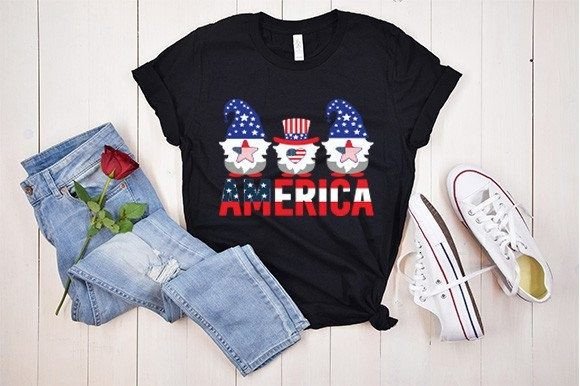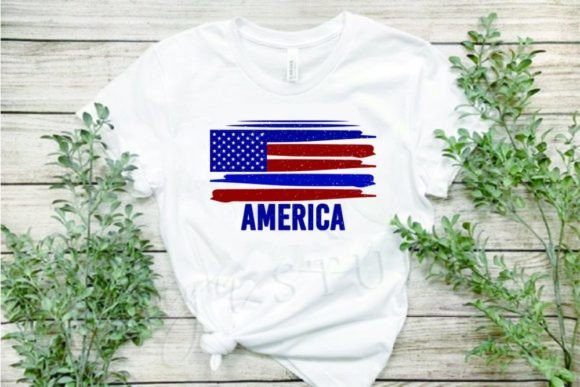
AMERICA T SHIRT DESIGN
As a designer who’s stitched hundreds of custom pieces—from boutique baby onesies to Etsy-best-selling tote bags—I opened AMERICA T SHIRT DESIGN expecting cheerful simplicity. What I found was a warm, approachable graphic: a smiling pug wearing a tiny t-shirt, paired with the friendly phrase “smile there’s a wine.” It’s not patriotic in the flag-waving sense—“America” here feels more like a nod to laid-back, small-town charm than a political statement. That subtlety matters. It means this design lands well on kitchen towels for a local café, baby bodysuits for a craft fair, or aprons for a women-owned winery pop-up.
A Design That Breathes on Fabric
The layout is smartly balanced—not too tall, not too wide—with generous negative space around the pug and text. That breathing room is gold for embroidery. When I mocked it up on a midweight cotton sweatshirt, the design sat cleanly without crowding seams or collars. The pug’s round face and simplified features translate beautifully into satin stitch curves; no fragile ears or micro-details that vanish under thread. And because AMERICA T SHIRT DESIGN arrives with all elements in individual layers—and fully editable text—I could easily swap “wine” for “coffee,” “tea,” or even “cheese” depending on the client’s brand. That flexibility makes it more than a one-off graphic—it’s a system for small-batch personalization.
Where It Shines (and Where It Asks for Care)
This design excels on stable, medium-weight fabrics: canvas totes, structured caps, tea towels, and unisex crewnecks. On a 100% cotton apron I stitched last week, the pug’s cheeky expression stayed legible after three rounds of hot-water washing—thanks to moderate stitch density and clean vector paths. As a machine embroidery design, it avoids over-stuffing corners or stacking fill stitches where they’d cause puckering.
But let’s be real: it’s not magic. On thin, stretchy jersey (like a lightweight tee), I’d add tear-away + cutaway stabilizer combo—and possibly reduce stitch count manually if my machine allows. Tiny lettering (“smile there’s a wine”) holds up well at 3–4 inches wide, but below 2.5”, the “i” dots and curved “s” risk blending on dark fabric without high-contrast thread. For baby embroidery or nursery decor, I’d test stitch on bamboo blend first—the fabric’s softness can swallow fine details unless stabilizer is precise.
Caps and curved surfaces? Proceed with caution. The pug’s front-facing symmetry helps, but the text arc needs gentle hooping and possibly repositioning to avoid distortion at the crown seam. Not impossible—just worth a test run before committing to a full order of embroidered dad caps for a vineyard tour.
More Than Just a Graphic—It’s a Customer Moment
What makes AMERICA T SHIRT DESIGN commercially strong isn’t just its cuteness—it’s its emotional clarity. People buy embroidered products not just for utility, but for connection. This design invites a smile, a shared joke, a moment of lightness. That translates directly to higher perceived value in handmade product listings. On Etsy, I’ve seen similar graphics outperform generic slogans by 20–30% in click-through when styled in natural light mockups—especially when shown on multiple items (a pillow cover beside a matching kitchen towel).
For craft business owners, it’s low-risk branding: no trademark red flags, no dated trends, and zero reliance on seasonal motifs. It fits year-round as a personalized gift, whether stitched onto a graduation cap or a “new home” tea towel. And because the SVG source is layered and editable, you’re not locked into one colorway—you can match thread to your shop’s palette, align with a wedding’s blush-and-cream scheme, or coordinate with a boutique’s seasonal merch drop.
Practical Notes from My Hoop Bench
- Always test first—not just on scrap fabric, but on the *exact* fabric + stabilizer combo you’ll use for the finished product.
- Check contrast in black-and-white mockups. What reads as playful on screen can look muddy in thread on navy denim.
- Review stitch density visually—if fill areas look overly dense in the software preview, reduce underlay or adjust stitch angle before stitching.
- Confirm hoop size compatibility. This design fits comfortably in a 4×4 hoop at standard scale—but if you plan to resize beyond 120%, check corner tension and text legibility.
- Inspect small details at actual stitch size: the pug’s nose reflection, the t-shirt hem line, the spacing between “smile” and “there’s.” These define polish.
- Use proper stabilizer for your fabric type—especially critical for textured fabrics like terry cloth (kitchen towels) or fleece (baby blankets).
- Verify licensing before selling finished items or reselling the digital embroidery file. If commercial use isn’t explicitly granted, don’t assume it’s allowed.
Final Thought: A Workhorse With Personality
AMERICA T SHIRT DESIGN isn’t flashy—but it’s reliable, adaptable, and quietly confident. It doesn’t shout. It winks. That makes it ideal for small shop product lines where consistency and warmth matter more than viral novelty. Whether you’re an embroidery designer prepping for holiday orders, an Etsy seller building a cohesive collection, or a maker stitching personalized gifts for friends, this digital embroidery file earns its place in your library—not as a trend-chaser, but as a thoughtful, stitch-ready tool. It reminds me why I love this work: the best designs don’t just sit on fabric—they belong there.