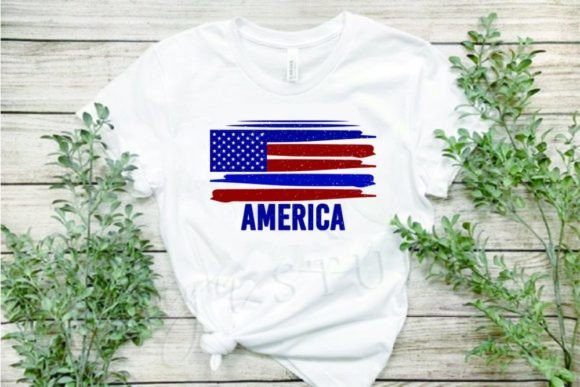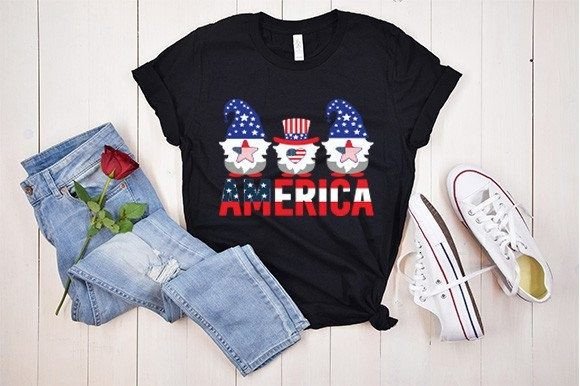
American T-shirt Design
First Impressions: Cheerful, Clear, and Commercially Smart
When I opened American T-shirt Design, what struck me wasn’t just the pug—though that cheerful, slightly squinty face is instantly disarming—it was how immediately *workable* it felt. The layout balances whimsy and structure: the dog sits front-and-center in a relaxed pose, wearing a simple t-shirt (a clever visual echo of the product category), with “smile there’s a wine” arcing gently above. All elements are in individual layers, and the text is fully editable—a huge plus for customizing names, dates, or substitutions like “coffee” or “cheese.” This isn’t just a graphic; it’s a flexible embroidery-ready concept.
Real Project Test: Embroidering a Linen Kitchen Towel for a Local Boutique
Last week, I prepped American T-shirt Design for a small-batch run of embroidered linen tea towels—part of a spring collection for a neighborhood kitchen boutique. Linen’s slubby texture and low stretch demand clean outlines and moderate stitch density. I resized the design to fit a 4×4 hoop, kept the pug’s outline crisp with satin stitch, used gentle fill stitch for the body, and switched the text to running stitch for breathability. The result? A finished product that reads clearly at arm’s length, holds up after two test washes, and feels handmade—not mass-produced. Customers responded warmly to the lighthearted tone; one even bought three as hostess gifts. That tells me American T-shirt Design lands well where warmth and approachability matter: baby onesies, aprons for bakeries, tote bags for wine shops, and pillow covers for cozy living rooms.
Where It Shines—and Where to Pause
American T-shirt Design excels on stable, medium-weight fabrics: cotton twill for patches, fleece-lined sweatshirts, structured tote bags, and midweight baby blankets. Its balanced proportions scale reliably down to 3.5 inches wide without losing legibility—ideal for caps or children’s caps if you adjust text size thoughtfully. As a machine embroidery design, it avoids over-detail: no tiny eyes to vanish in fill stitch, no nested curves that trap thread, and no dense underlay that risks puckering on thin knits.
That said, proceed with care on:
- Stretchy fabric—like jersey t-shirts—unless paired with cutaway stabilizer and reduced stitch density;
- Dark or textured backgrounds—test thread colors thoroughly; cream or light gray thread on navy linen reads better than stark white;
- Curved surfaces—caps or mugs (if adapting for heat-transfer vinyl)—where the arc of the text may need subtle repositioning;
- Small hoop sizes under 3 inches—the phrase “smile there’s a wine” compresses best when the full line stays intact; truncating feels off-brand.
Design Integrity Meets Customer Trust
As an embroidery designer who sells digital embroidery files and finished goods, I pay close attention to how a design affects perceived value. American T-shirt Design supports professionalism because its layered SVG structure means I can easily swap fonts, adjust spacing, or isolate the pug for a standalone embroidered patch. That flexibility builds trust: Etsy sellers can offer personalization without redesign fees; craft fair vendors can stitch matching sets (tote + tea towel + apron) with consistent color palettes and sizing. And because the mood is upbeat but not childish, it works across age groups—unlike overly cutesy graphics that limit resale potential.
What Makes It Boutique-Ready
It avoids trend fatigue. No dated slang, no seasonal clichés, no forced puns. “Smile there’s a wine” has gentle wit and quiet confidence—something that looks intentional, not algorithm-generated. When stitched on oatmeal-colored canvas or soft heather grey sweatshirting, it reads as curated, not cluttered. That matters for small shop branding: customers remember how a product *feels*, not just what it says.
Practical Designer Notes Before You Stitch
Before committing to a full production run—or listing American T-shirt Design as part of your craft business inventory—here’s my checklist:
- Test on scrap fabric first, especially if using textured weaves or blends;
- Check thread color contrast on both light and dark mockups—don’t assume black-on-cream will read as well as navy-on-linen;
- Review stitch density in the pug’s ear and collar area—tight fills can stiffen delicate zones on baby clothes;
- Confirm hoop size compatibility with your primary machine; this design scales cleanly, but verify before hooping ten identical sweatshirts;
- Inspect small details in your embroidery software: ensure the pug’s nose and smile remain distinct at your target size;
- Try a black-and-white mockup—it reveals balance issues faster than color;
- Use appropriate stabilizer: tear-away for stable wovens, cutaway for knits or lightweight linens;
- Verify licensing terms before selling finished items or bundling the file with other digital products—commercial use rights aren’t automatic, even for Graphics-category assets.
Final Thought: A Reliable Workhorse with Personality
American T-shirt Design won’t win awards for avant-garde innovation—but it doesn’t need to. It’s the kind of embroidery file that quietly elevates a handmade product, adds charm without clutter, and converts casual browsers into repeat buyers. Whether you’re stitching personalized gifts for a holiday market, building a cohesive line of embroidered kitchen goods, or sourcing dependable design assets for your Etsy shop, this one earns its place in your working library. Just remember: great embroidery starts with smart design choices, not just perfect stitches. And American T-shirt Design makes that choice easier.