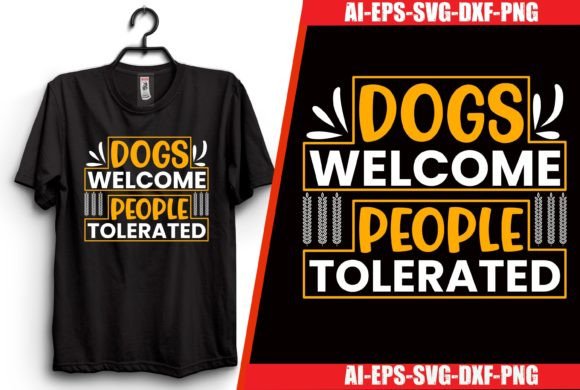
Dogs Welcome People Tolerated Quotes
A Designer’s First Glance: Charm with a Wink
When Dogs Welcome People Tolerated Quotes landed in my inbox, I paused—not because it’s flashy, but because it’s disarmingly sincere. It’s not shouting. It’s leaning against the porch rail, tail thumping, giving you *just* enough side-eye to make you laugh. The layout is clean and horizontal, built for readability at a glance: bold, friendly lettering with subtle weight variation and just enough personality in the curves to feel hand-drawn—not sloppy, but warmly imperfect. As a machine embroidery design, its visual rhythm leans into wit rather than whimsy, which makes it unusually versatile for custom apparel and small shop merchandise.
Real Project Test: That Embroidered Tote Bag You’ve Been Planning
Last week, I prepped a linen-cotton tote for a local pet-friendly café pop-up—think sturdy fabric, medium stitch density, and zero room for fuzzy edges or lost detail. I loaded Dogs Welcome People Tolerated Quotes into my embroidery software and sized it to 4.2” wide (a comfortable fit for a standard 5x7 hoop). On screen, it looked balanced. In stitch simulation? Even better—the letter spacing held up, no letters bunched or stretched, and the implied “pause” between “Dogs Welcome” and “People Tolerated” gave the design breathing room. When stitched on the tote with high-quality 40-weight polyester thread and medium tear-away stabilizer, the text read clearly from six feet away. Customers smiled. One asked where she could get it for her vet tech friend’s birthday. That’s the signal: this isn’t just legible—it’s *relatable*.
Where It Shines—and Where to Pause
Dogs Welcome People Tolerated Quotes thrives in contexts where tone matters as much as text:
- Sweatshirt embroidery: Its generous letter height and open spacing prevent crowding on textured fleece.
- Embroidered patch: Clean outlines and minimal fine detail mean crisp edges after cutting and heat-sealing.
- Baby embroidery: Works beautifully on onesies when scaled down to 3”, especially on light fabrics—just avoid ultra-thin cottons without proper cut-away stabilizer.
- Holiday embroidery: A playful addition to dog-themed stockings or kitchen towels—pair it with simple paw prints, not ornate flourishes.
- Commercial embroidery: Fits seamlessly into boutique branding for pet stores, groomers, or rescue org merch—no licensing red flags apparent, though always verify before resale.
But be thoughtful with placement and substrate:
- Avoid tight curves: Caps and beanies compress letterforms—this design needs flat or gently rounded surfaces to keep “Tolerated” from looking squeezed.
- Dark fabric? Check contrast: The design relies on clear letterform distinction—not decorative fill. Test thread colors on black or navy; a charcoal gray or cream works better than stark white if your machine struggles with top tension.
- Stretchy fabric demands prep: On lightweight knits (like baby tees), use light cut-away + topping to prevent puckering—running stitch outlines help, but dense satin stitch areas need support.
- Small hoop sizes = scale-down caution: Below 2.8”, the space between “Welcome” and “People” starts to vanish. Clarity fades before charm does.
What It Adds to Your Handmade Product—Beyond the Stitch
This isn’t just another T-Shirt Designs download. As a graphics file, Dogs Welcome People Tolerated Quotes carries quiet brand intelligence. It signals approachability without sacrificing edge—ideal for Etsy sellers curating collections around lifestyle humor, not cliché. When stitched onto a tea towel or pillow cover, it doesn’t scream “gift”—it whispers “I know your people.” That builds trust. Buyers recognize authenticity faster than they parse font choices.
For craft business owners, it elevates perceived value: a well-executed embroidered tote with this phrase feels intentional, not generic. And for personalized gifts? It’s gold. Pair it with a custom name or pet’s name in a smaller script below—and suddenly you’re not selling embroidery. You’re selling inside jokes made tangible.
Practical Notes Every Embroidery Designer Should Run Through
Before stitching your first client piece—or listing it in your shop—run these checks:
- Test on scrap fabric that matches your final product’s weight and texture.
- Review stitch density: Is there heavy fill in any letter? If so, adjust underlay or reduce density slightly for breathability on wearables.
- Confirm hoop size compatibility: Does the full phrase fit comfortably within your most-used hoop? If not, plan for re-hooping—or edit spacing (only if your license permits).
- Inspect small details: Look closely at the terminal points of “D,” “P,” and “d.” Are they sharp or rounded? Rounded ends hold up better on frequent-wash items like baby clothes or kitchen towels.
- Try black-and-white mockups: Does it retain character in monochrome? Yes—this one does. That means it’ll translate cleanly to printable mockups and digital product previews.
- Compare light vs. dark backgrounds: Use your design software to preview over both. Adjust thread hue—not just value—for maximum clarity.
- Use proper stabilizer: Medium tear-away for stable wovens; cut-away + topping for knits or textured fabrics like terry cloth.
- Verify licensing: Since the description says “use it for… merchandising according to your needs,” confirm whether commercial embroidery rights are included—especially if you plan to sell finished products or bundle it in digital embroidery kits.
The Bottom Line for Makers Who Care About Craft
Dogs Welcome People Tolerated Quotes earns its place in my go-to folder—not because it’s technically complex, but because it’s emotionally precise. It stitches cleanly, reads instantly, and lands with warmth instead of irony. Whether you’re embroidering a holiday gift for a fellow dog person, building inventory for your small shop, or designing a signature line for your Etsy store, this design supports your voice instead of competing with it. It’s confident enough for a boutique apron, gentle enough for a nursery pillow cover, and clever enough to spark conversation on a sweatshirt at the dog park. Just remember: great embroidery isn’t about perfect pixels—it’s about how the finished product makes someone feel seen. And this one? It sees you—and your dogs—just right.